
Changes in Sleep Patterns as a Health Indicator in Dogs
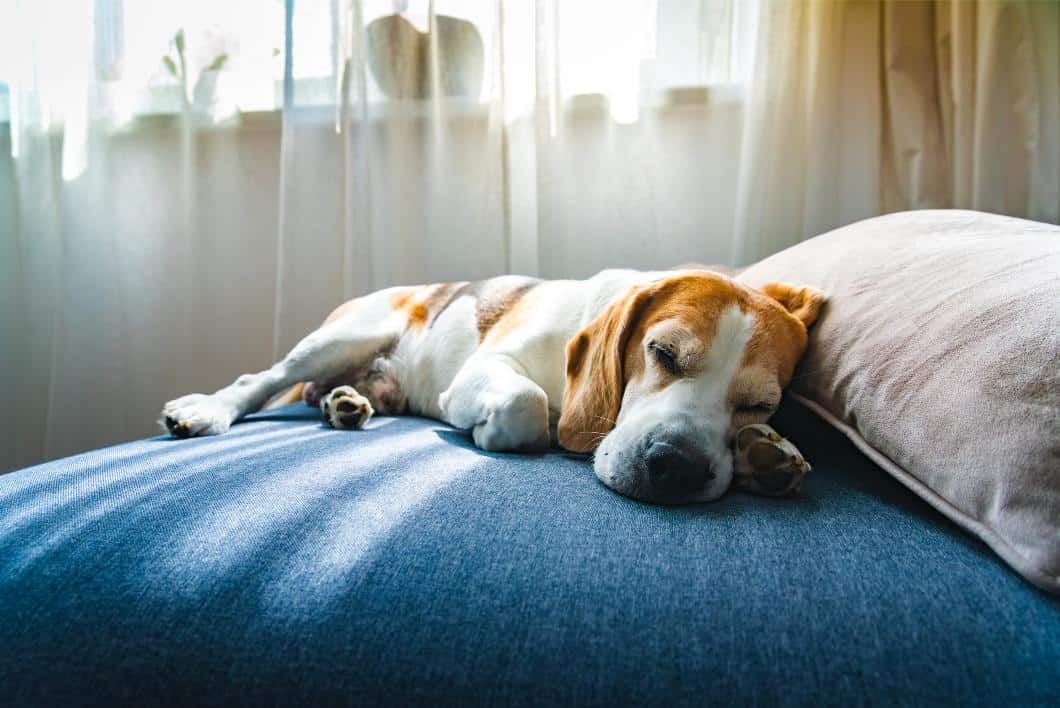
Is your dog suddenly sleeping more than usual? You might be worried that something’s going on internally. Or pondering whether the extra sleep is just a sign of a growth spurt or aging. Canine sleep issues can be confusing, no matter which direction they take.
Here’s what the team at Beverly Hills Veterinary Associates wants you to know about healthy sleep patterns in dogs.
What is Lethargy vs. Normal Sleep in Dogs?
Dogs naturally sleep, or at least lounge around, for a large portion of the day. Puppies need to sleep for about 20 hours a day to support their rapid growth.
Adult dogs should get around 12-16 hours a day, with active breeds sleeping less than their less active counterparts. As they grow older, dogs start to sleep more, often averaging around 16-20 hours a day, like puppies.
That said, there is a difference between regular rest and lethargy. A dog that’s just getting her rest will wake up easily if you rattle the food bowl or open the door to head out for a play session.
Lethargy is a different beast.
With lethargy, your dog might take longer than usual to wake up, or seem sluggish after waking. He might not eat as much as he usually does or lose interest in activities he once cherished. He might hide or avoid interacting with family members out of sheer exhaustion.
If your dog is sleeping more than usual and you notice these symptoms, it’s time to take the next step and give your vet a call.
Do Sleep Changes in Dogs Signal Illness?
Yes—sometimes, a change in sleep can point to an illness that’s going on inside your pup’s body. Some illnesses, such as mild gastrointestinal upset, minor viral infections, or temporary pain from an intense play session, cause lethargy for a few days and then pass quickly.
Others, however, can lead to lasting sleep changes and lowered energy levels. These include arthritis, endocrine disorders, infections, and chronic pain—but these are just a few of the many potential causes of canine sleep issues.
If your dog’s sleep changes are paired with behavior changes, pay attention. Behavior changes that can signify a drop in your pet’s health include:
- Restlessness, pacing, or difficulty settling down
- Seemingly random daytime exhaustion
- Confusion, disorientation, or aggression
- Changes in potty behaviors, like urinating or defecating indoors
These behaviors—especially if there haven’t been any recent disruptions in routine or environment—are cause for concern.
Assistance for Canine Sleep Issues
Because changes in your dog’s sleep can have a multitude of different causes, a veterinary exam is the best step to take. Your veterinarian can evaluate your dog’s medical history, perform a physical exam, order blood testing, and use an array of diagnostic tools and strategies to help diagnose your pet.
The treatment for your dog’s sleep issues will depend on what’s causing them. The important thing is to see a veterinarian if you have any concerns whatsoever about your dog’s sleep habits and behaviors.
Our caring team at Beverly Hills Veterinary Associates is here to help you get to the bottom of sleep issues with your dog. Call us at (248) 646-5655 to schedule an appointment today.