
Why Dogs Start Avoiding Hardwood Floors
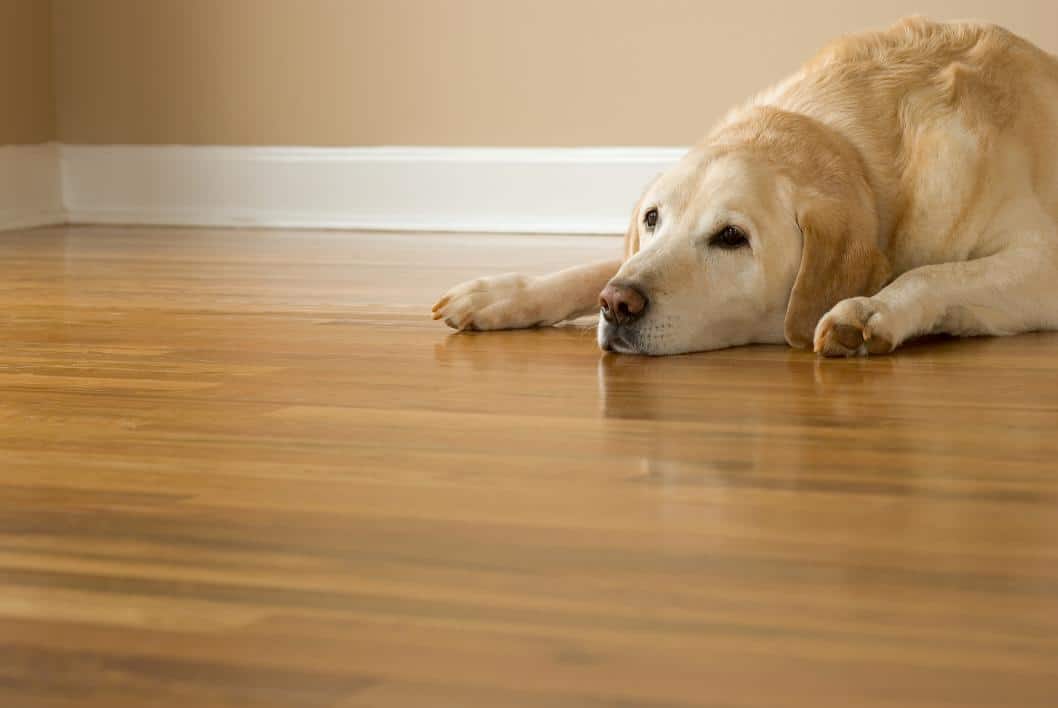
Have you ever watched your dog freeze before stepping onto your hardwood floor? Maybe they inch forward slowly, refuse to walk into certain rooms, or occasionally slip. It can be easy to assume they’re just being stubborn, but that’s rarely the case.
Many dogs become nervous on smooth flooring as they age or when they begin experiencing physical discomfort. If your pet suddenly seems afraid of surfaces they once crossed without a second thought, it could be their way of asking for help. Understanding why this happens can make a big difference in keeping your furry friend comfortable and confident.
Why Is My Dog Suddenly Afraid of Hardwood Floors?
Many pet owners search for answers when they notice their dogs are afraid of hardwood floors, especially if the behavior appears overnight. In many cases, there is an underlying physical reason.
Hardwood, tile, and other smooth surfaces provide very little grip. For dogs dealing with sore joints or muscle weakness, every step can feel uncertain. After slipping once or twice, they may start avoiding those areas altogether.
If your dog hesitates before walking, stretches unusually often, or chooses to stay on rugs instead, it may be time to look more closely.
Dog Mobility Problems Can Develop Gradually
Not all dog mobility problems happen suddenly. In fact, they often develop gradually, making them easy to overlook.
Common signs to look for:
- Walking more slowly than usual
- Slipping or splaying their legs on smooth floors
- Struggling to stand after lying down
- Hesitating before climbing stairs or jumping onto furniture
- Choosing softer surfaces over hardwood flooring
These changes may seem like “just getting older,” but they often indicate an issue that warrants veterinary attention.
Pet Arthritis Is More Common Than You Think
One of the leading reasons a dog avoids slippery floors is arthritis. Pet arthritis symptoms often start long before their limping becomes obvious.
Symptoms to watch for:
- Stiffness after resting
- Reluctance to exercise or play
- Difficulty getting into the car
- Changes in posture or gait
- Avoiding slick flooring
Early diagnosis can help improve your dog’s comfort and slow the progression of joint disease. A little extra support today can mean many more happy tail wags tomorrow.
Helping Your Dog Feel More Secure at Home
If your senior pet is showing signs of dog weakness or struggles with balance, making a few simple changes around your home can help.
Tips to add more traction for dogs:
- Place non-slip rugs over hardwood floors
- Keep your dog’s nails trimmed
- Use paw grip products
- Provide orthopedic bedding for sore joints
- Schedule regular veterinary exams to monitor mobility
These small adjustments can boost your dog’s confidence and reduce the risk of painful slips and falls. Sometimes the smallest changes make the biggest difference.
Keep Your Dog Moving Comfortably
If your dog has started avoiding hardwood floors, don’t assume it’s simply part of aging. Changes in mobility often have an underlying cause, and early care can help your pet stay active and comfortable for years to come.
The compassionate team at Beverly Hills Veterinary Associates is here to evaluate your pet’s mobility, identify potential joint issues, and create a personalized wellness plan that keeps those tails wagging and paws moving with confidence. Schedule an appointment today and help your furry family member enjoy every step.