
The Mystery of the Midnight Meow: Why Cats Become More Vocal at Night
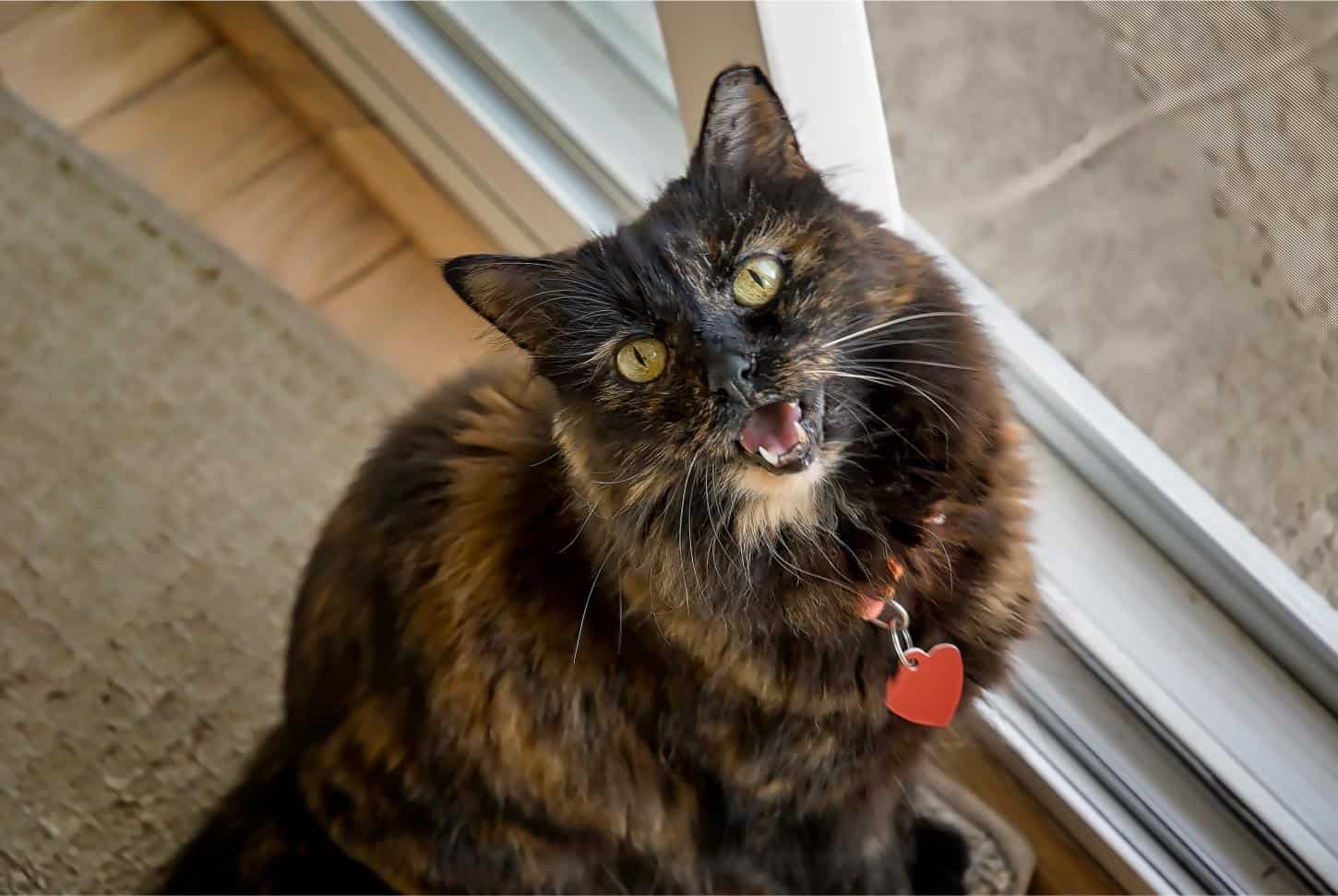
The house is quiet. Everyone is asleep. Then, right on cue, your cat launches into an impassioned midnight TED Talk, captivating an invisible audience while you wonder what exactly is so important that it can’t wait until morning.
While some cat vocalization at night comes with the feline territory, a sudden increase in late-night yowling or meowing can signal that your feline friend is trying to communicate something beyond, “My food bowl contains a visible bottom.”
If your cat’s middle-of-the-night keynotes have become a common occurrence, it’s worth paying close attention. In this blog, our team at Beverly Hills Veterinary Associates explains why.
Why Do Cats Become More Vocal at Night?
Cats are naturally more active during the early morning and evening hours. They may simply be feeling playful, hungry, or eager for attention while the rest of the household is fast asleep.
However, if cat vocalization at night is new, more frequent, or unusually intense, it’s worth a closer look.
Common causes include:
- Hunger or changes in feeding routines
- Boredom or excess energy
- Separation anxiety
- Stress or environmental changes
- Hearing or vision loss
- Cat cognitive changes
- Medical conditions (like feline hyperthyroidism) that affect behavior
Listen Closely to Senior Cat Behavior
It’s easy to dismiss pacing, confusion, or loud cat vocalization at night as “just aging” or normal aspects of senior cat behavior, but all of these can be signs of age-related health concerns.
Some older cats experience cat cognitive changes, including a condition similar to dementia in people. These cats may become disoriented, forget familiar routines, or cry out because they feel confused, especially in dim lighting or during the night.
Medical Conditions Can Trigger Nighttime Meowing
Several health conditions can make cats of any age more restless or vocal after dark. One common example is feline hyperthyroidism, which increases metabolism and may lead to:
- Increased appetite
- Weight loss
- Restlessness
- Hyperactivity
- More frequent vocalization
Other medical issues, including pain, high blood pressure, kidney disease, or arthritis, can also contribute to nighttime distress.
When to Call Your Beverly Hills Veterinarian
Occasional nighttime chatter isn’t usually cause for concern. But it’s a good idea to schedule an examination with your Beverly Hills veterinarian if your cat:
- Suddenly becomes more vocal
- Seems confused or disoriented
- Has changes in appetite or weight
- Is drinking or urinating more than usual
- Appears restless or unable to settle comfortably
A thorough examination can help determine whether your cat’s nighttime habits are simply part of their spotlight-grabbing personality or signs that something needs our attention.
The next time your feline friend launches into a midnight monologue, remember that they may be trying to tell you something important. Call (248) 646-5655 to schedule an appointment with our team. We’ll recommend the best plan to keep your cat healthy, comfortable, and perhaps just a little quieter when the lights go out.