
The Difference Between Weight Loss You Should Worry About and Weight Loss You Shouldn’t Ignore
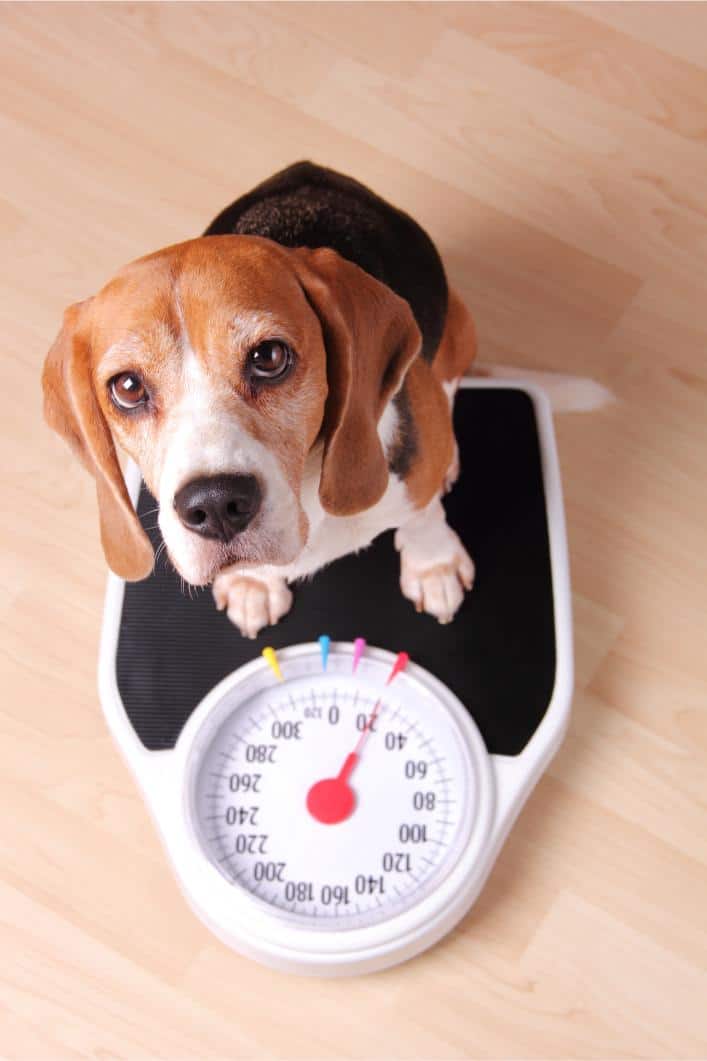
While many dogs and cats struggle with obesity, weight loss can be concerning, too, under specific circumstances. But what are those circumstances? Today, the team at Beverly Hills Veterinary Associates will share the causes of gradual vs. rapid weight loss in pets, and lay out when weight loss is concerning for dogs and cats alike.
When is Weight Loss a Problem in Cats and Dogs?
Weight loss isn’t always something to fear for your pet, especially if it’s intentional and your veterinarian is helping guide your pet through it. But if you’re not trying to help your furry family member lose weight, and they manage to lose it anyway, it’s time to head to the vet.
Any unexplained weight loss needs medical evaluation because it can be a sign of an underlying disease.
Here are a few questions to ask yourself about when to seek veterinary care about your dog or cat’s weight loss:
- Is it unintentional? If you’re not trying to help your pup lose weight and it’s happening anyway—especially without any changes in diet or exercise—call the vet.
- Is it happening quickly? Any weight loss that happens within days or weeks is cause for extra concern.
- Is it accompanied by other symptoms? Weight loss paired with vomiting, diarrhea, lethargy, or any loss of appetite is a red flag.
One of the best ways to monitor your dog or cat’s weight is to make sure you attend annual wellness checks. Your veterinarian will have a record of your pet’s ideal weight, and when it seems to be dropping, there will be a benchmark to compare it with.
Signs of Unintentional Weight Loss in Pets
So, what does unintentional weight loss look like, physically, in cats and dogs? Generally, you’ll notice symptoms like:
- A decrease in your pet’s muscle mass
- Ribs, hip, or spinal bones you can see even through the coat
- Changes in appetite
- A drop in energy levels
- A brittle, dry, malnourished coat
Keep in mind that a decrease in muscle usually happens before a drop in fat, so you might not notice weight loss right away. As soon as you do notice it, give your veterinarian a call to set up an appointment.
Causes of Gradual vs. Rapid Weight Loss in Pets
Now, let’s get to the reasons why your dog might be losing weight.
Slow, unintentional weight loss may happen because of kidney disease, a metabolic disorder, or a dental disease that makes it painful for your pawsome pal to eat. Rapid weight loss, on the other hand, can point to more serious issues. These could include gastrointestinal disease or cancer, infections, or conditions that make it difficult for your pet’s body to absorb nutrients.
Just remember that while any unintended weight loss is cause for concern, rapid weight loss warrants immediate medical attention. Your veterinary team can perform a full examination, including a physical exam, bloodwork, and imaging, to help diagnose the reason for the weight change.
With early care, your pet has a better chance for a good prognosis. If you’re concerned about weight loss in your dog or cat, reach out to our experienced team at Beverly Hills Veterinary Associates. Call us at (248) 646-5655 to schedule an appointment today.