
Why “He’s Just Getting Older” Is One of the Most Common Misdiagnoses
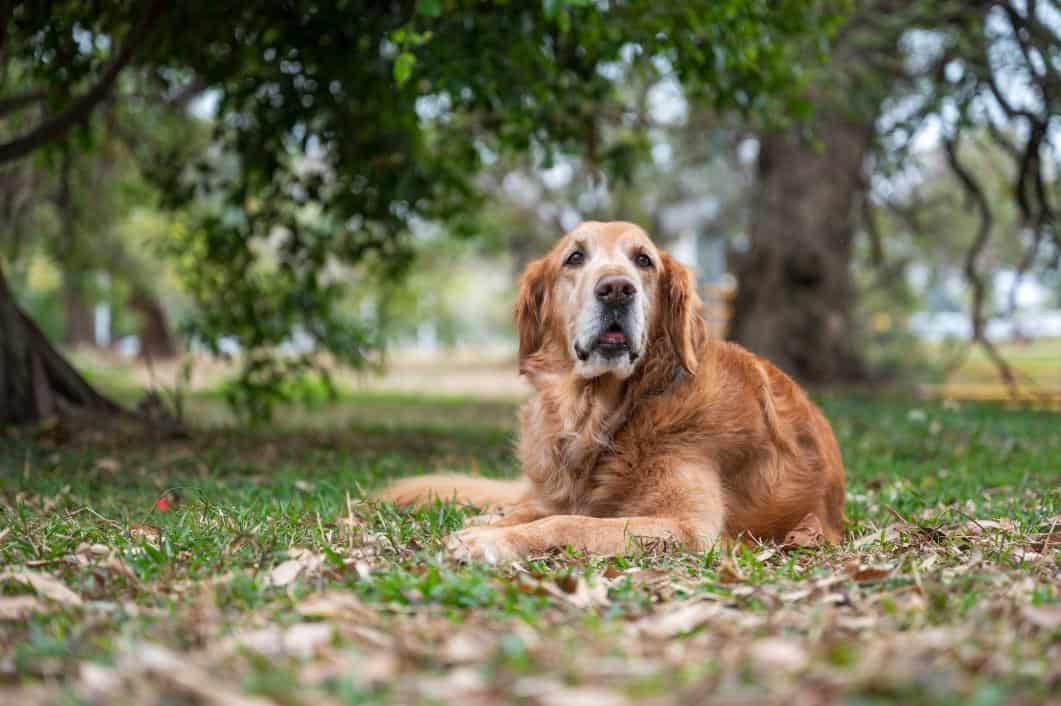
At Beverly Hills Veterinary Associates, we often hear, “he’s just getting older.” When pet parents notice a change, they usually chalk it up to age. They say things like, “they’re slowing down,” “they’re sleeping more,” and “they’re not jumping like they used to.” It feels logical to assume it’s simply age, especially with senior pets. But the truth is, many of the things we assume are normal aging are actually early signs of disease. When we brush these things off as old age, we lose valuable time to help our pets feel better.
Signs Your Pet is Experiencing Symptoms Not Normal with Aging
Aging can cause changes in behavior, but aging should not create suffering. If your dog or cat seems uncomfortable, you should not ignore it.
These are some senior pet symptoms that are not normal aging and deserve a closer look:
- Decreased activity or reluctance to move
- Trouble getting up, climbing stairs, or jumping
- Changes in appetite or weight
- Increased drinking or urination
- Bad breath or difficulty eating
- New behavior changes, like irritability or hiding
- Vomiting or diarrhea, even if it seems occasional
These symptoms can easily be mistaken for aging in pets, but are often early signs of disease. Pets are very good at hiding discomfort, so even subtle shifts in their behavior matter.
Mobility Changes are Not “Just Age”
One of the biggest misconceptions about old age in pets is that they naturally have reduced movement. Yes, older pets may not be as energetic, but mobility changes in dogs are not simply caused by age. Arthritis, joint disease, ligament injuries, and even neurological conditions can all occur more often than people realize and may cause your pet to start slowing down.
If your dog is hesitant to go for walks or your cat stops jumping onto favorite spots, that is not just them “acting their age,” that is often them experiencing pain. And pain is something that can be treated. When you address it early, you can dramatically improve your pet’s quality of life.
Early Detection is Important
Catching problems early makes a huge difference. Many senior pets deal with hidden illnesses that can be managed very well if they’re found early. Kidney disease, diabetes, thyroid conditions, dental disease, and arthritis all tend to start quietly.
Routine exams and lab work help discover these changes before they become severe. This is why regular veterinary visits become even more important as pets start to age. What looks like a small issue at home can reveal something bigger during an exam.
Early detection also means simpler treatment in many cases. Waiting until symptoms are advanced can limit options and make recovery harder. When in doubt, it is always better to check.
When the Signs of Aging Call for a Visit to the Vet
How do you know when the signs of aging need a veterinarian’s attention? A good rule of thumb is this: “If something has changed, it is worth asking about.”
Pay attention to patterns. Is your pet doing something new, even if it seems minor? Is a certain behavior becoming more frequent or more intense? Trust your instincts. You know your pet better than anyone.
Here are a few situations where you should not wait:
- Sudden or rapid changes in behavior or energy
- Signs of pain like limping, whining, or hiding
- Changes in eating, drinking, or bathroom habits
- Weight loss or gain without a clear reason
These situations are often linked to hidden illness in senior pets, and are not just normal aging.
Give Your Senior Pet the Best Care
Getting older is a privilege, but it should still be comfortable. If you are noticing changes and wondering whether they are normal, do not guess. Have the conversation. A simple exam can bring answers and relief.
If your pet is showing signs that could be more than aging, schedule an appointment with Beverly Hills Veterinary Associates. We are here to help you separate what is normal from what needs attention, so your pet can enjoy their senior years feeling their best.