
Seasonal Stress and Urinary Issues in Cats
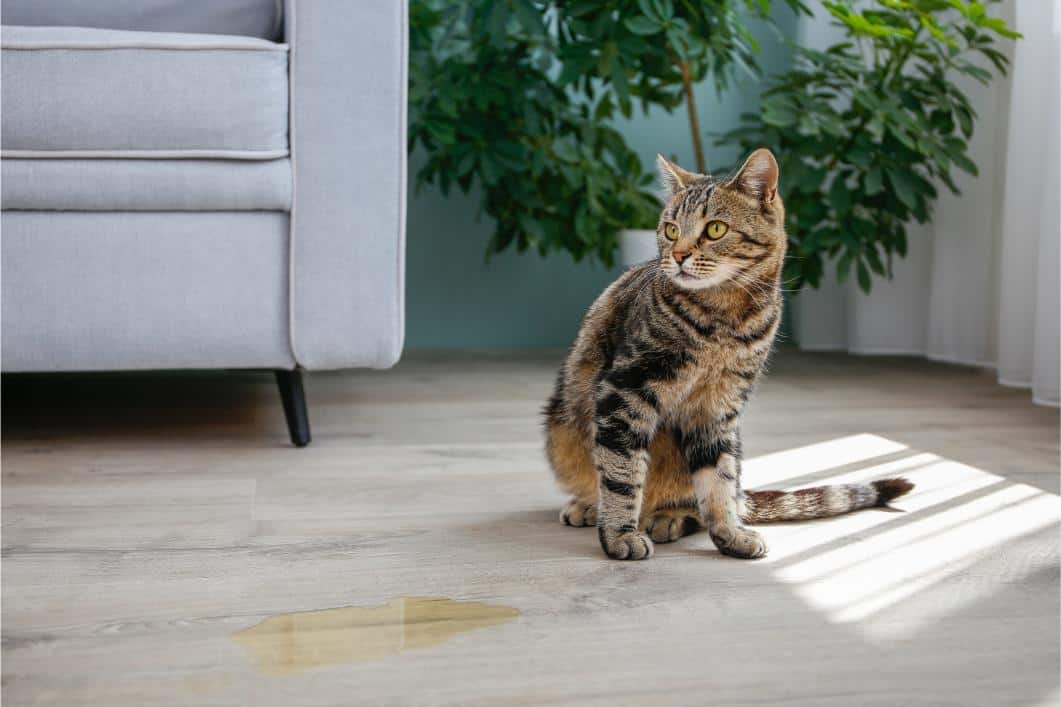
Spring is a time of blooming flowers, warmer air, and a sense of excitement and hope, but for kitties, the change in temperature can also trigger springtime feline urinary issues.
If your cat is struggling to adjust, the team at Beverly Hills Veterinary Associates is here to help. Let’s explore why some cats experience environmental stress during the spring and how you can support your feline companion.
What Causes Seasonal Urinary Stress in Cats?
Cats are incredibly sensitive to changes in their environment—even the good kind. The longer hours of daylight, open windows, and fresh breezes rolling in can be invigorating to you but slightly unnerving to your cat.
You might dedicate yourself to spring cleaning, reorganizing and cleaning and unearthing a litany of new sights, smells, and living room configurations.
Your cat may not approve of these changes.
This can contribute to stress, which can then lead to spring behavior changes in pets and, for cats, the stress of change can even lead to feline lower urinary tract disease (FLUTD). FLUTD is a term we use to describe a group of conditions that affect a cat’s bladder and urethra.
Signs of Urinary Issues in Male and Female Cats
Urinary problems can affect both male and female cats, but male cats have a higher risk of urinary blockage because of their smaller urethra. Even the tiniest amounts of inflammation, mucus, or bladder crystals can block the flow of urine.
Keep in mind that a complete blockage of urine flow is a medical emergency and requires immediate veterinary care.
Look out for these signs of FLUTD-related distress:
- Repeated trips to the litter box but with little-to-no urine production
- Straining or vocalizing while trying to urinate
- Bloody urine
- Urinating outside the litter box
- Constant licking of genital area
- Lethargy, tiredness, or hiding
If your cat is trying to pee but nothing’s coming out, seek veterinary care right away.
How to Support Your Kitty This Spring
The best way to help your cat avoid urinary tract issues is to help alleviate stress and encourage him to drink plenty of water.
You can help do this by:
- Maintaining a consistent daily routine, spring cleaning and all
- Offering multiple, clean litterboxes in rooms of the house that aren’t affected by the excitement of spring
- Making sure your kitty can access fresh water in multiple areas of the house
- Minimizing exposure to outdoor cats, if possible
For cats with a history of urinary issues, your vet might recommend a therapeutic diet that supports bladder health and lowers the risk of crystal development.
Need help supporting your feline family member through the spring season? The experienced team at Beverly Hills Veterinary Associates can help. Give us a call at (248) 646-5655
to schedule an appointment today.